

 Ro
Ro 
Ştiri
 Acasă / Ştiri / Știri din industrie / Ce este un rulment de rotire cu role cu trei rânduri și cum funcționează?
 Ce este un rulment de rotire cu role cu trei rânduri și cum funcționează?
 2026.06.08
 Știri din industrie
Definirea rulmentului de rotire cu role cu trei rânduri
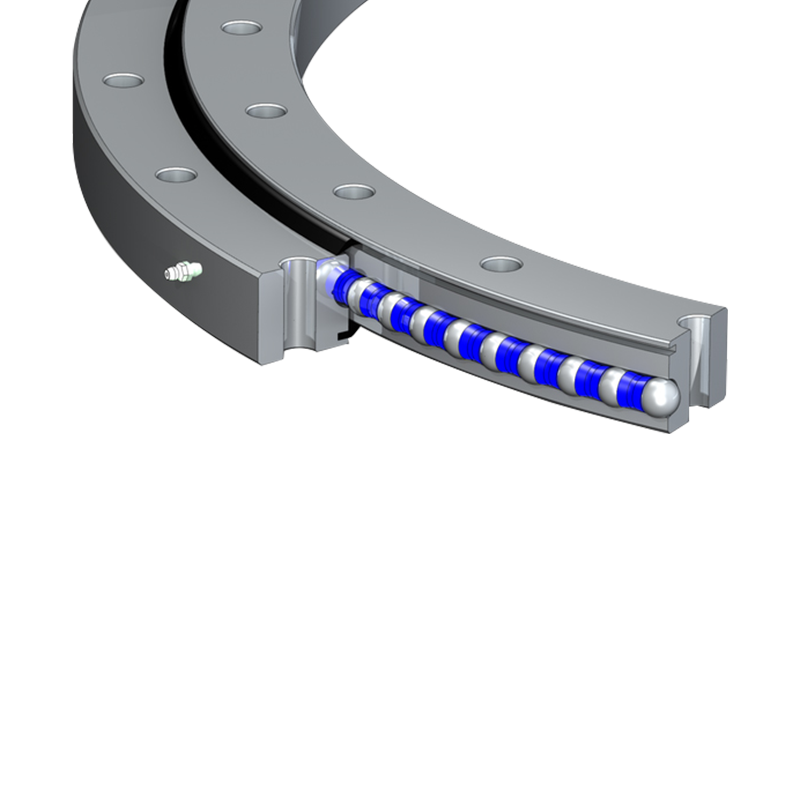
A rulment de rotire cu trei rânduri este un element de sprijin rotativ cu diametru mare, pentru sarcini grele, proiectat special pentru a suporta combinații simultane de sarcini axiale, sarcini radiale și momente de răsturnare - toate într-o singură unitate de rulment compactă. Spre deosebire de rulmenții standard cu bile sau rulmenții cu role cu un singur rând, care sunt proiectați în principal pentru o direcție dominantă a sarcinii, configurația cu role cu trei rânduri distribuie aceste trei tipuri de forțe pe trei rânduri dedicate și separate geometric de role cilindrice. Această diviziune structurală a muncii permite ca fiecare rând să fie optimizat independent pentru tipul său de sarcină specific, rezultând un rulment care atinge capacități de încărcare mult peste ceea ce ar putea gestiona orice proiect cu un singur rând într-un ansamblu comparabil.
Termenul „rotire” se referă la funcția principală a rulmentului: permiterea mișcării de rotație lentă și controlată - de obicei mai puțin de 10 rotații pe minut - între două componente structurale mari. Acest lucru distinge rulmenții de rotire de rulmenții de mare viteză utilizați la motoare sau turbine. Rulmenții de rotire cu role cu trei rânduri se găsesc în centrul unora dintre cele mai solicitante mașini din lume, inclusiv macarale cu șenile, excavatoare mari, platforme offshore, sisteme de rotire a turbinelor eoliene și plăci turnante industriale grele, unde fiabilitatea în condiții de încărcare combinată extremă nu este negociabilă.
Anatomie structurală: cum sunt aranjate cele trei rânduri
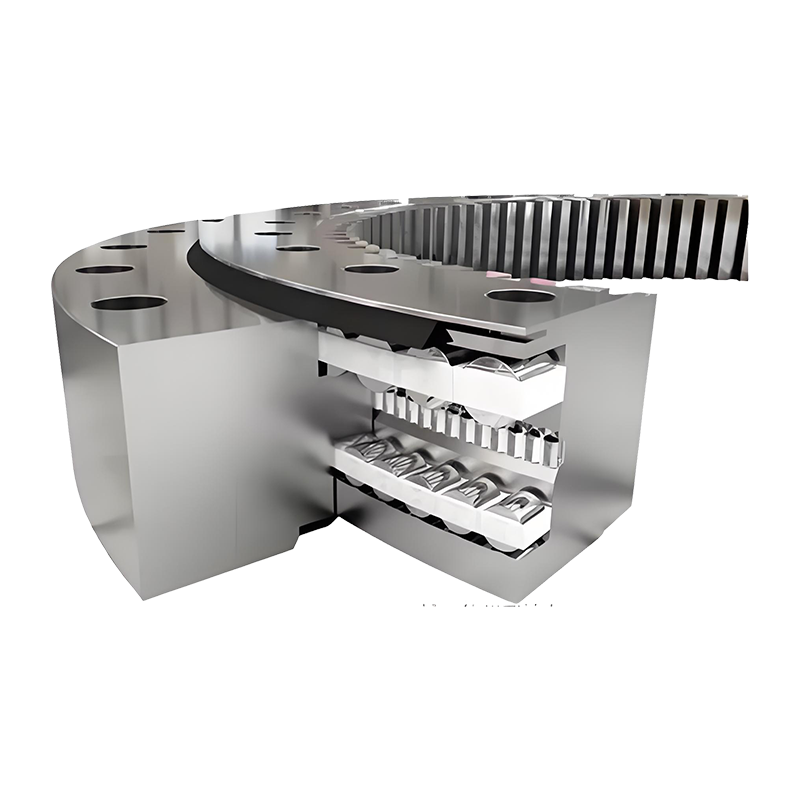
Caracteristica structurală definitorie a acestui tip de rulment este separarea funcției de transport a sarcinii pe trei rânduri distincte de role cilindrice, fiecare găzduit în propriul său canal de rulare dedicat în ansamblul inelului rulmentului. Înțelegerea modului în care aceste rânduri sunt aranjate fizic este esențială pentru înțelegerea modului în care funcționează rulmentul în condiții reale de funcționare.
Rândurile de role axiale superioare și inferioare
Două dintre cele trei rânduri de role sunt orientate orizontal - unul poziționat aproape de partea superioară a secțiunii transversale a rulmentului și unul lângă partea de jos. Acestea sunt rândurile axiale, iar rolele acestora rulează pe canale orizontale prelucrate în inelele de rulment superioare și inferioare. Rolele din aceste rânduri sunt orientate cu axele îndreptate vertical, ceea ce înseamnă că rezistă forțelor care acționează de-a lungul axei verticale - atât sarcinile de compresiune în jos, cât și forțele de tracțiune în sus cauzate de momentele de răsturnare. Când brațul macaralei se extinde și ridică o sarcină grea, momentul rezultat încearcă să încline inelul superior în raport cu inelul inferior; rândul axial superior rezistă la compresiune pe partea de sarcină, în timp ce rândul axial inferior rezistă ridicării pe partea opusă. Împreună, aceste două rânduri gestionează cuplul moment care menține stabilă structura rotativă.
Rândul central de role radiale
Între cele două rânduri axiale se află al treilea rând - rândul radial. Aceste role sunt orientate cu axele îndreptate orizontal, rulând pe canale verticale prelucrate în suprafețele interioare ale inelului exterior și suprafața exterioară a inelului interior. Funcția lor este de a rezista la sarcini radiale - forțe care acționează orizontal și încearcă să deplaseze lateral inelul interior față de inelul exterior. Într-o macara de pe o navă sau un excavator care funcționează pe teren neuniform, forțele laterale semnificative sunt generate de vânt, mișcarea dinamică și reacția neuniformă a solului. Rândul radial absoarbe aceste forțe și menține alinierea concentrică a celor două inele de rulment pe toată durata funcționării.
Structura inelului și a căii de rulare
Ansamblul rulmentului constă de obicei din trei inele, mai degrabă decât din cele două inele găsite în rulmenții convenționali. Inelul exterior și inelul interior formează elementele structurale primare, în timp ce un inel intermediar - numit adesea inelul mijlociu - separă calea de rulare axială superioară de calea de rulare axială inferioară și asigură suprafața de montare pentru rândul radial. Această construcție cu trei inele este ceea ce permite fizic aranjamentul pe trei rânduri și oferă rulmentului capacitatea sa excepțională de a face față sarcinilor combinate fără a transfera stresul între rânduri.
Principiul de lucru: Cum funcționează distribuția încărcăturii
Principiul de funcționare al unui rulment de rotire cu role cu trei rânduri este înrădăcinat în mecanica fundamentală a contactului cu role și în separarea geometrică a căilor de sarcină. Atunci când rulmentul este supus condițiilor reale de funcționare, forțe multiple acționează asupra lui simultan, iar rulmentul trebuie să rezolve fiecare dintre acestea într-o stare de tensiune de contact stabilă, bine distribuită, fără a supraîncărca nicio rolă individuală sau cale de rulare.
Contact linie cilindrică vs. contact cu punct cu bilă
Un aspect critic al principiului de lucru este utilizarea rolelor cilindrice mai degrabă decât a bilelor. Bilele fac contact punctual cu pistele lor - un singur punct teoretic care, în practică, devine o mică zonă de contact eliptică sub sarcină. Rolele cilindrice, în schimb, fac contact de linie pe toată lungimea lor cu suprafața canalului de rulare. Acest lucru crește dramatic aria de contact, care la rândul său reduce stresul hertzian de contact (presiunea pe unitate de suprafață) pentru orice sarcină aplicată dată. Rezultatul este că rulmenții cu role cilindrice pot suporta sarcini substanțial mai mari decât rulmenții cu bile de dimensiuni echivalente înainte de a atinge limitele de solicitare ale materialului lor de rulare. Pentru rulmenții de rotire din mașinile grele - unde sarcinile ajung în mod obișnuit la sute sau mii de kilonewtoni - această diferență în geometria contactului este motivul fundamental pentru care modelele rolelor sunt specificate peste modelele cu bile.
Rezoluția momentului prin cuplul axial
Când un moment de răsturnare este aplicat lagărului - de exemplu, când o macara ridică o sarcină decentrată care încearcă să încline structura superioară - acest moment este rezolvat într-un cuplu de forțe care acționează asupra celor două rânduri de role axiale. Rândul de pe partea încărcată experimentează o forță de compresiune crescută, în timp ce rândul de pe partea opusă experimentează o forță de reacție de tracțiune care trage inelele în afară. Distanța de separare verticală dintre cele două rânduri axiale - brațul de moment - determină cât de mari sunt aceste forțe de reacție pentru o mărime dată de moment. O separare verticală mai mare reduce forța necesară în fiecare rând, motiv pentru care rulmenții de rotire cu role cu trei rânduri sunt de obicei proiectați cu distanța verticală maximă fezabilă între cele două căi de rulare axiale.
Funcția de ghidare cu role și cușcă
Rolele cilindrice din fiecare rând sunt ghidate de cuști sau distanțiere care mențin o distanță circumferențială uniformă între role, împiedică înclinarea rolelor și asigură că sarcina este distribuită uniform pe întreaga circumferință a rulmentului, mai degrabă decât concentrată într-o singură zonă. În unele modele, în special pentru rulmenți foarte mari, blocurile distanțiere individuale înlocuiesc o cușcă plină, permițând împachetarea mai multor role în fiecare rând și creșterea capacității de încărcare. Ghidarea corectă a rolelor este esențială pentru rotația lină și cu frecare redusă pe care se așteaptă să o furnizeze rulmenții de rotire pe o durată lungă de viață.
Caracteristici cheie de performanță
Combinația dintre trei rânduri de role dedicate și geometria de contact cu linia cilindrică conferă rulmentului de rotire cu role cu trei rânduri un profil de performanță care este net superior altor tipuri de rulmenți de rotire în aplicații cu sarcini grele. Următoarele caracteristici definesc capacitatea sa operațională:
- Capacitate de încărcare excepțională: Designul cu trei rânduri atinge cele mai înalte cote de sarcină statică și dinamică dintre orice configurație de rulment de rotire, făcându-l alegerea standard pentru utilaje cu capacități de ridicare măsurate în sute de tone.
- Rezistenta mare la moment: Separația axială largă dintre cele două rânduri de role axiale creează un braț de moment mare, permițând rulmentului să reziste momentelor de înclinare enorme fără deformare sau deteriorare a căii de rulare.
- Structura inelului rigid: Construcția cu trei inele oferă o rezistență excelentă la deformarea inelului sub sarcină, menținând geometria căii de rulare și condițiile de contact cu role chiar și în cazurile de încărcare maximă.
- Frecare de funcționare scăzută: În ciuda faptului că suportă sarcini foarte mari, rolele cilindrice produc o frecare de rulare mai mică decât elementele de contact de alunecare, reducând cerințele de cuplu de antrenare și consumul de energie în antrenările de rotire.
- Durată lungă de viață: Calea de sarcină distribuită reduce stresul de vârf la orice punct de contact unic, contribuind la durata de viață la oboseală care îndeplinește ciclurile de lucru solicitante ale utilajelor de construcții și industriale.
Comparație cu alte tipuri de rulmenți de rotire
Pentru a aprecia unde se încadrează designul cu role cu trei rânduri în familia mai largă de rulmenți de rotire, este util să îl comparați direct cu celelalte configurații comune utilizate în mașinile rotative.
| Tip rulment | Capacitate de încărcare | Rezistență de moment | Complexitatea | Aplicație tipică |
| Minge cu un singur rând | Scăzut spre mediu | Scăzut | Simplu | Mașini ușoare, trackere solare |
| Minge cu două rânduri | Mediu | Mediu | Moderat | Mediu cranes, turntables |
| Rolă încrucișată | Mediu to High | Înalt | Moderat | Robotică, echipamente de precizie |
| Rolă cu trei rânduri | Foarte sus | Foarte sus | Înalt | Macarale cu șenile, excavatoare, offshore |
Aplicații industriale primare
Capacitatea excepțională de sarcină și moment a rulmentului de rotire cu role cu trei rânduri îl face ca specificația standard pentru cele mai solicitante îmbinări rotative din industria grea și construcții. Aplicațiile sale au o cerință comună: rotație cu diametru mare sub încărcare axială, radială și momentană simultană și semnificativă.
- Macarale pe șenile și cu zăbrele: Conexiunea dintre lucrările superioare și trenul de rulare a macaralelor cu șenile mari folosește rulmenți de rotire cu role cu trei rânduri pentru a suporta sarcinile brațului care pot depăși câteva sute de tone, permițând în același timp o rotație completă la 360 de grade.
- Excavatoare hidraulice mari: Îmbinarea de rotație a casei de pe excavatoarele mari de minerit se bazează pe modele de role cu trei rânduri pentru a gestiona greutatea combinată a structurii superioare, sarcinile cupei și forțele dinamice de săpat.
- Platforme de foraj offshore: Acostele turnulețelor, piedestalele macaralei și echipamentele de punte rotativă pe instalațiile offshore necesită variantele de rezistență ridicată la moment și rezistente la coroziune ale rulmenților cu trei rânduri.
- Sisteme de rotire a turbinelor eoliene: Turbinele eoliene mari de mai mulți megawați folosesc rulmenți de rotire cu role cu trei rânduri pentru a roti nacela pentru a face față direcțiilor schimbătoare ale vântului, unde rulmentul trebuie să reziste la momente enorme de răsturnare de la forța rotorului.
- Pozizionatoare industriale grele și plăci turnante: Echipamentele fabricii de oțel, poziționarele de fabricație grea și plăcile rotative mari de manipulare a materialelor folosesc acești rulmenți pentru a asigura o rotație stabilă, cu frecare scăzută, sub sarcini statice masive.
Considerații privind lubrifierea și întreținerea
Ungerea corectă este fundamentală pentru durata de viață a unui rulment de rotire cu role cu trei rânduri. Fiecare dintre cele trei rânduri de role funcționează pe propriul set de canale de rulare și toate suprafețele de contact trebuie menținute cu unsoare adecvată pentru a preveni contactul metal-metal, a reduce frecarea și a inhiba coroziunea. Majoritatea rulmenților mari de rotire sunt echipați cu nipluri de ungere sau canale de lubrifiere găurite prin inele care permit injectarea grăsimii direct în fiecare cavitate a căii de rulare fără a fi demontată. Rulmentul trebuie rotit lent în timpul ungerii pentru a asigura acoperirea circumferențială completă a tuturor contactelor rolei.
Sistemele de etanșare - de obicei garnituri de cauciuc cu mai multe buze montate în canelurile de pe circumferința interioară și exterioară a rulmentului - protejează cavitățile canalelor de pătrunderea apei, a prafului și a particulelor abrazive care ar accelera rapid uzura. În mediile exterioare sau offshore, integritatea etanșării este deosebit de critică și ar trebui să fie inspectată regulat, ca parte a unui program de întreținere structurat. Șuruburile inelului rulmentului trebuie, de asemenea, verificate periodic pentru preîncărcare corectă, deoarece slăbirea șuruburilor sub sarcină ciclică poate permite deformarea inelului care modifică geometria căii de rulare și accelerează deteriorarea prin oboseală.
Concluzie
Rulmentul de rotire cu role cu trei rânduri este o soluție proiectată cu precizie pentru una dintre cele mai solicitante provocări ale ingineriei mecanice: suportarea sarcinilor axiale simultane, sarcinilor radiale și momentelor de răsturnare pe o îmbinare rotativă mare în condiții ciclice grele. Structura sa cu trei inele, trei rânduri de role dedicate și geometria cilindrică de contact linie lucrează împreună pentru a oferi capacități de încărcare și rezistență la moment pe care nicio altă configurație de rulmenți cu diametru comparabil nu le poate egala. Pentru inginerii care specifică mașini rotative mari — de la macarale pe șenile la platforme offshore — înțelegerea definiției și principiului de funcționare al acestui tip de rulmenți este esențială pentru a lua decizii informate de proiectare care să asigure siguranța, fiabilitatea și durata de viață lungă pe teren.

Jiangsu Manchen Transmission Technology Co., Ltd. excelează în crearea de rulmenți personalizați, fiabili și precise pentru diverse industrii, inovând continuu pentru a îndeplini cele mai înalte standarde și căutarea de oportunități de colaborare. Furnizor de rulmenți de încredere și constant în China.
Link -uri rapide
Link -uri de produs
Contactaţi-ne
-
Address:Nr. 8, Nanqiu Road, Huangtu Town, Jiangyin City , China
-
Tel:+86-13646122221
-
E-mail:
-
E-mail:ma@slewingbearingcn.com
